












We get it, got to test the 'waters'.
Grab a sample pack - usually $24.99
Just $22.49

The energy drink aisle is crowded with bold claims.
“Zero sugar.”
“Clean.”
“Better-for-you.”
“Natural energy.”
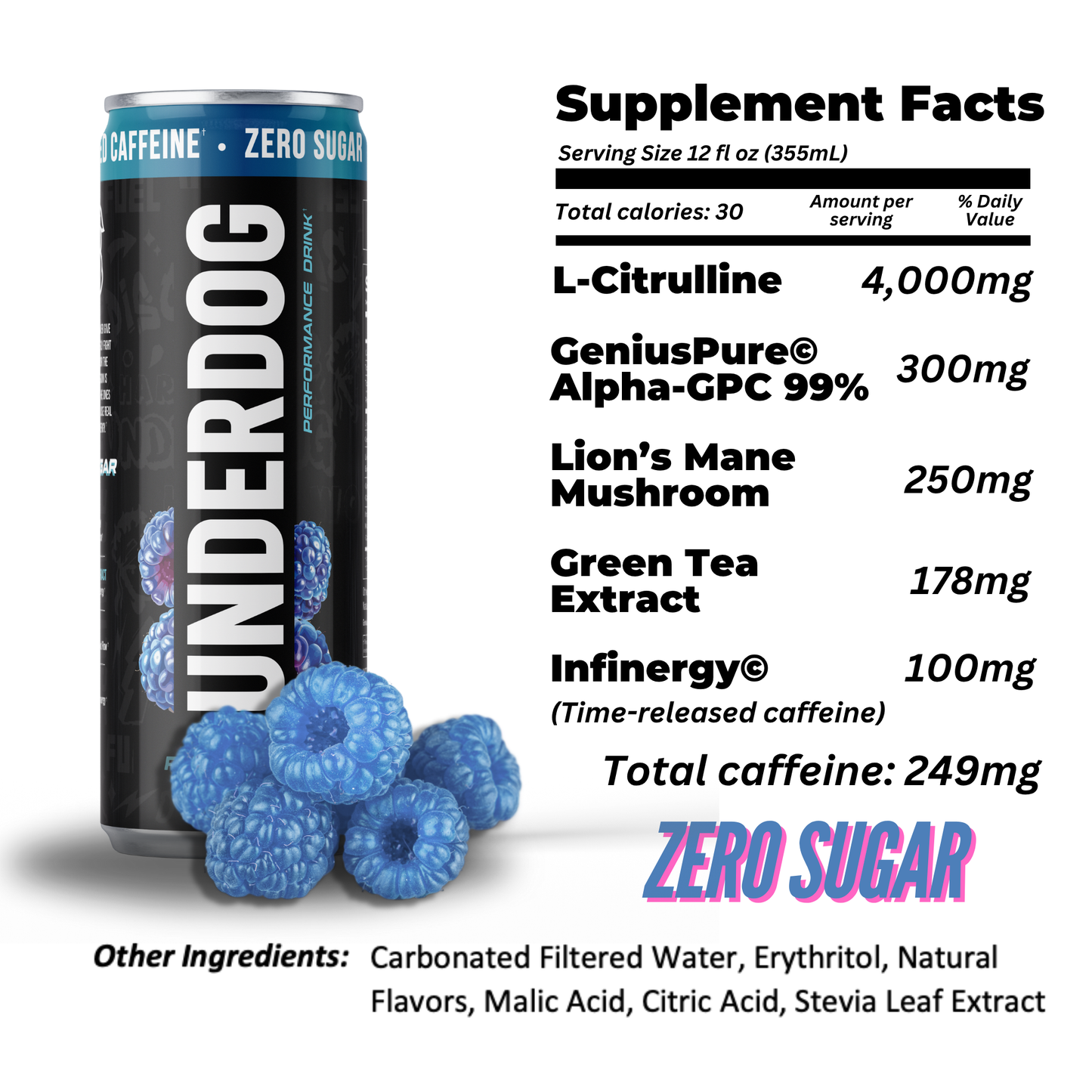
But here’s the truth: the front of the can is built to sell you. The back of the can is where the real story lives.
A lot of brands know most people won’t take the time to read the ingredient label, the caffeine source, or the actual formula. That’s exactly why flashy branding and buzzwords work so well.
Before you grab your next can, here are five things energy drink brands usually won’t tell you.
1. Zero sugar doesn’t automatically mean clean
A can can say “zero sugar” and still be packed with ingredients that don’t align with a cleaner formula.
A lot of consumers see zero sugar and assume that means healthier, but that only tells part of the story. The real question is: what is the drink using instead?
If a product removes sugar but replaces it with artificial sweeteners or other ingredients you’re trying to avoid, it may not be as “clean” as the branding suggests.
Zero sugar can be a good thing. It just shouldn’t be the only thing you look at.
2. “Better-for-you” can still be marketing
This is one of the biggest tricks in the category.
A brand can position itself as modern, functional, wellness-focused, or “better-for-you” without actually backing that up with a formula that reflects it.
That’s why the ingredient label matters more than the front panel.
The front of the can sells the dream.
The ingredient label tells the truth.
If a product talks about performance, focus, or wellness, its formula should support that claim. If it doesn’t, then the message is doing more work than the product.
3. More caffeine isn’t always better
A lot of brands act like bigger caffeine numbers automatically make a better drink.
They don’t.
More caffeine is not always the flex brands think it is. A bigger hit isn’t always better, especially if it leaves you feeling overstimulated, jittery, or dragging later.
What matters is not just how much caffeine is in the can, but how the drink is formulated overall. The best energy experience is not just about intensity. It is about consistency, focus, and how you feel after drinking it.
A smarter formula should help you perform.
4. If the ingredients are hard to defend, the “clean” claim is weak
This one is simple.
If a brand talks about health, wellness, or cleaner energy, but cuts corners on formulation, that should tell you everything.
A clean image is easy to build. A clean formula is harder.
That doesn’t mean every consumer needs a chemistry degree to buy a drink. It just means the product should be able to stand up to a closer look. If the formula raises more questions than confidence, that matters.
You should not have to choose between taste, function, and ingredients you feel good about.
5. Most people never read the label
And that’s exactly what a lot of brands are counting on.
Most purchase decisions happen fast. Flavor, packaging, caffeine count, and a couple front-of-can claims usually decide the sale.
But if you actually want to know what you’re drinking, you have to go one step further.
Read the label.
Read the sweetener.
Read the caffeine amount.
Read the formula.
Read what’s actually inside the can.
That’s where the truth is.
What consumers should actually look for
The next time you pick up an energy drink, ask yourself a few basic questions:
Is the formula transparent?
What is sweetening it?
Is it just trying to hit hard, or is it designed for a better energy experience?
Does the back of the can match the promises on the front?
Those questions matter more than the marketing ever will.
Why this matters to us at Underdog
At Underdog, we believe consumers deserve more than hype.
You deserve an energy drink that tastes great, performs well, and holds up when you actually read the can.
That’s why we believe in looking past the branding and focusing on what is really in the product. Because in a category full of noise, honesty matters.
Read past the branding.
Read the can.